

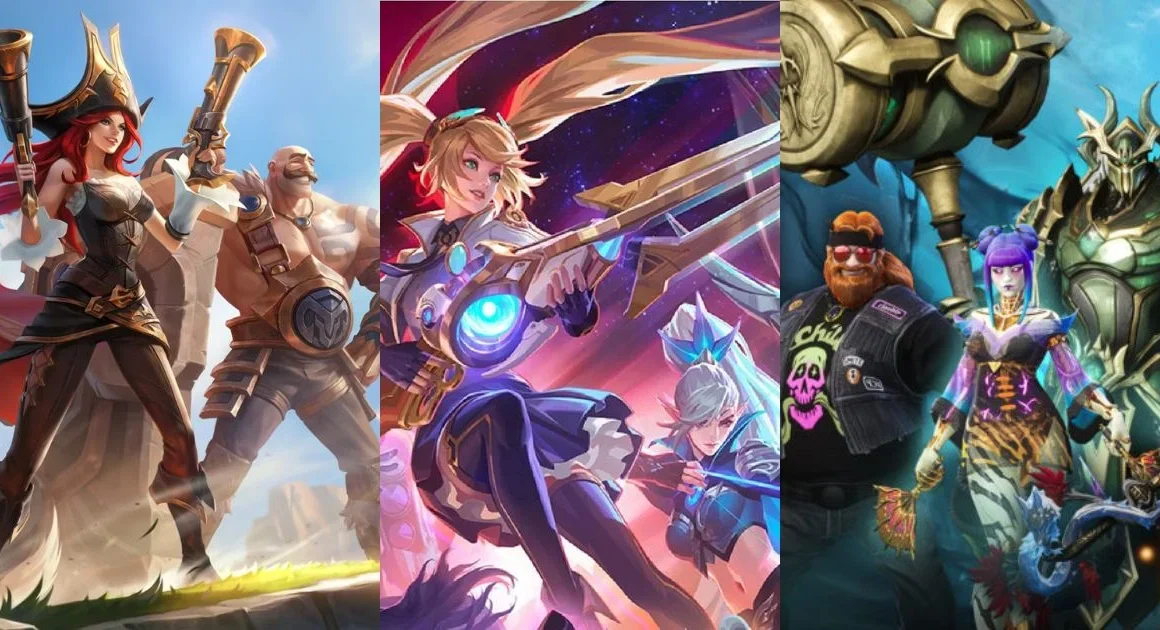
You want a fast, fun MOBA that rewards skill, teamwork, and smart hero picks — Mobile Legends delivers that with an active scene and constantly shifting meta. You’ll find the most popular heroes pack clear roles, high-impact abilities, and reliable synergy for ranked climbs and casual matches alike, making it easy to pick a go-to champion that fits your playstyle.
This article shows what makes Mobile Legends exciting, highlights the current fan-favorite heroes dominating ranks and tournaments, and points you to the game modes and strategies that keep matches thrilling. Expect practical tips on mastering top heroes, staying up to date with meta changes, and getting more fun from squad play and the wider esports community.
What Makes Mobile Legends an Exciting Game
You get short, intense matches that reward quick decision-making, coordinated team play, and visually satisfying abilities. Each match tests your mechanical skills, map awareness, and hero choice in clear, measurable ways.
Fast-Paced Gameplay
Matches typically last 10–15 minutes, so you spend less time grinding and more time in decisive moments. The respawn timers, turret dmg scaling, and jungle objectives are tuned to keep action constant from laning to late-game teamfights.
You can shift the tempo quickly: a single successful gank, Lord steal, or well-timed ultimate often swings momentum. This design favors players who adapt fast—rotating lanes, contesting buffs, and collapsing on isolated enemies.
Controls and cooldowns aim for immediacy. Skills have short windows and mobility tools are common, which keeps fights dynamic and punishes passive play. If you prefer rapid engagement and clear payoff for mechanical plays, this pacing fits well.
Team Strategy Elements
Victory hinges on role synergy and objective control rather than solo carry mechanics alone. You must coordinate hero picks—tank initiation, mage burst, marksman sustained damage—and align them with a clear win condition like split-push, teamfight, or pick comp.
Communication around timers matters: Lord, Turtle, and buff spawns create focal points for coordinated plays. Vision, lane assignment, and wave management let you set favorable fights and deny resources to the enemy.
Drafting and emblem builds let you tailor strengths to the matchup. When your team executes a planned engage or secures a contested objective, the strategic depth becomes immediately tangible in the scoreboard and map control.
Vibrant Graphics and Effects
Skill animations and visual feedback provide instant clarity on what happens during fights. You can read an opponent’s cooldowns and combos from cast animations and particle effects, which helps you react under pressure.
Hero skins and ability VFX remain high-quality and varied. That variety keeps heroes distinct and makes mastery rewarding—you notice incremental upgrades in animation timing and damage windows as you learn a hero.
The UI highlights key info—buff timers, item spikes, and kill streaks—so you can make informed tactical choices without digging through menus. Clear visuals reduce uncertainty and let you focus on execution.
Overview of the Most Popular Heroes
You’ll find a mix of reliable carry options, utility tanks, and versatile mages that shape match outcomes. The subsections below show which heroes players favor, the abilities that make them effective, and why they sway the meta.
Fan Favorite Hero Profiles
You often see marksmen and assassins topping popularity because they deliver visible impact in late-game fights. Popular marksmen like Claude or Granger (when in meta) draw players who prefer high sustained DPS and strong scale into the late game. Assassins such as Ling or Lancelot attract players who value mobility and one-shot potential to pick off squishy targets.
Tanks and supports like Khufra or Rafaela remain favorites for duo queue and ranked climbing. You pick them when you want reliable crowd control, peel, and objective control. Their consistent utility makes team compositions safer and easier to coordinate.
Standout Hero Abilities
Look for mobility, burst damage, and team-wide utility when evaluating standout abilities. Mobility skills—dash, blink, or wall-climb—let assassins and fighters create kills or escape; examples include wall-based mobility that enables flanking plays. Burst combos with short cooldowns let mages and assassins delete a single target before they can react.
Crowd control and area denial determine a tank’s value. Skills that stun, pull, or displace enable initiation and protect carries. Healing and shields scale the value of supports in longer fights. You should prioritize heroes whose signature ability changes teamfight dynamics—big AoE ultimates or reliable single-target lockdown.
Meta Influencers
Pick rates, win rates, and ban rates drive which heroes define patch-level meta. Heroes with high ban rates often possess oppressive lane pressure or late-game carry potential that skews draft phases. You should monitor patch notes and statistics sites to see which heroes climb in influence after buffs or item changes.
Role flexibility also makes a hero a meta influencer. Champions that perform across multiple lanes or build paths force opponents to draft specifically against them. You’ll notice that when a hero gains versatile builds or strong synergy with new items, they rapidly affect team composition and strategic priorities.
Best and Most Fun Game Modes
These modes offer distinct goals: climb the competitive ladder, learn core mechanics, or play fast, varied matches. Each mode changes team composition, objectives, and pacing so you can pick what fits your session and skill goals.
Ranked Battles
Ranked Battles place you in a structured competitive ladder where your MMR and rank reflect individual and team performance. You’ll face players of similar skill, so drafts, hero counters, and map control matter more than in casual play.
Win and loss streaks affect rank movement, and seasonal resets require you to re-qualify or defend your tier. Focus on communication, consistent hero pool, and objective timing (towers, Turtle/Lord) to climb efficiently. Avoid random role changes mid-game; sticking to familiar roles reduces mistakes and improves win rate.
Classic Mode
Classic Mode provides the standard 5v5 MOBA experience with full map mechanics and no rank pressure. It’s ideal for practicing last-hitting, laning, and team fights without worrying about rank penalties.
Matches run a full duration with standard gold and experience curves. Use this mode to test builds, new heroes, and lane matchups. Because it mirrors Ranked rules, skills you refine here—positioning, wave management, and rotation timing—translate directly into better performance in competitive play.
Arcade Challenges
Arcade Challenges deliver faster, experimental, and often limited-time gameplay twists. Modes like Brawl or Mayhem shorten match length and tweak rules (reduced lanes, increased respawns, or random hero picks) to prioritize action and fun.
You can use Arcade to warm up before Ranked or practice unusual heroes and item combos in low-stakes settings. Expect high variance in team composition and game flow; adaptability and mechanical skill shine here. Check the event schedule for rotating challenges that refresh available rules and rewards.
Strategies for Mastering Top Heroes
Focus on precise ability sequencing, safe and aggressive positioning depending on role, and building combos that chain into team fights or solo picks. Prioritize timing, cooldown management, and item windows that amplify your power spikes.
Skill Combos
Learn the exact order of abilities that maximizes damage and control for each hero you play. For example, as an assassin, open with a gap-close or dash, immediately use your stun/slow, then cast your highest-damage skill before the enemy can react. For marksmen, weave basic attacks between abilities to trigger on-hit effects and crit windows.
Use this checklist when practicing combos:
- Start with mobility or initiation skill.
- Follow with crowd control to lock targets.
- Cast damage ultimates or high-cost spells last.
Drill combos in custom mode until muscle memory removes hesitation. Track cooldowns and mana costs so you never commit when you lack resources to finish.
Positioning Tips
Position according to hero role and threat range. As a tank, stand between your carry and enemy damage dealers to intercept skill shots and body-block engages. As a mage, keep to the edge of engagements—use bushes and high ground for vision advantage and to land surprise skillshots.
Apply these habits:
- Respect enemy gap-closers; keep an escape ready.
- Control flanks by hugging jungle entrances during objectives.
- Reposition after every major cooldown — you’re vulnerable when key spells are down.
Constantly check mini-map for rotations and enemy ultimate timers. Small lateral moves and angle changes often win trades more than committing to full retreats.
Team Synergy
Sync your hero’s power spikes with teammates to secure objectives and picks. Communicate when your ultimate is ready, then coordinate initiation—have your crowd control chain with ally follow-up damage rather than overlapping the same effect.
Use this role-specific guidance:
- Support: time shields and stuns to enable your marksman’s burst.
- Fighter: lead engages after your support lands a root or slow.
- Marksman/Mage: hold damage-heavy ultimates until allies lock targets.
Draft around complementary abilities (engage + area damage, peel + carry). Share simple callouts: “Engage now,” “Ult ready,” “Peel for carry,” and use pings to execute synchronized plays.
Latest Updates and Evolving Meta
Expect substantial hero reworks, several targeted nerfs/buffs, and a handful of new system tweaks that change how lanes and objective timing play out. These changes shift champion priorities, cooldown windows, and jungle pacing across ranked and pro play.
Recent Hero Adjustments
You’ll notice multiple high-impact hero adjustments aimed at reducing one-shot potential and increasing counterplay windows. Several assassins had base damage reduced while their mobility cooldowns were lengthened, which lowers burst kills but keeps their roaming value intact.
Mages received targeted cast-time reductions on key spells to improve laning pressure and waveclear. A popular marksman saw attack speed nerfs but gained a stronger late-game scaling passive to balance early lane matchups and teamfight presence.
Support and tank updates focused on utility: a commonly picked support had heal values trimmed but gained a shorter global cooldown to prevent sustain-stacking. Tanks were given minor resist stat shifts rather than flat HP buffs, encouraging item diversity over pure stat-stacking.
Balance Changes
Balance patches now emphasize win-rate windows and pick/ban data from both ranked and tournament play. You’ll find developers using pick-rate thresholds (e.g., 15–25%) and win-rate targets (45–55%) to judge whether a hero needs tuning.
Item adjustments accompany hero changes to prevent single-item spikes. Key items had cooldown increases or passive tweaks to reduce snowball potential, while several situational items gained small stat boosts to remain viable.
Map and objective timing also received subtle timing shifts: neutral buff spawn times moved by 15–30 seconds in some modes, which alters early-jungle routes and first-teamfight timings. Expect different clear patterns and earlier skirmishes as a result.
New In-Game Features
You’ll find new QoL and competitive features designed to speed matchmaking and give clearer strategic information. An updated replay system adds timeline markers for major events (first turret, turtle/killing spree), helping you analyze critical moments faster.
Ranked matchmaking now factors recent hero performance and role balance to reduce long chains of one-sided matches. The client added a small pre-game stat overlay showing enemy pick trends and last 10-match win rates per hero, helping you draft and counterpick.
A training sandbox expanded with custom scenario presets so you can practice key mechanics (e.g., 1v1 duels, jungle pathing) under consistent conditions, improving your preparation for the evolving meta.
Tips for Enjoying Mobile Legends with Friends
Keep in mind simple, reliable systems for voice, roles, and schedules. Clear roles, consistent communication, and planned sessions make matches more fun and less chaotic.
Effective Communication
Use voice chat (Discord, in-game voice) for real-time calls and short callsigns like “gank,” “retreat,” or “buff.” Agree on a few one-word signals before the match so you can react instantly without typing.
Share specific in-game info: enemy cooldowns, jungle timers, and objective timings (Turtle/Lord spawn). Call your intended lane rotations and item timings—e.g., “I finish Wild Boots, then rotate top at 9:30″—so teammates can plan around you.
Keep feedback constructive. After a lost fight, say what you’ll change: “Next time I’ll not contest buff without vision.” Avoid blaming language; focus on actionable changes.
Forming a Balanced Team
Assign roles before queuing: one Tank/Support, one Marksman/Mage core, one Assassin/Fighter flex, and a Jungler. Balance early-game and late-game power to prevent one-sided matches.
Use hero counters and synergies. If your friend wants a Marksman, pair them with a Support who can peel and provide sustain. Pick a crowd-control hero when the enemy has high mobility.
Agree on build and lane distribution in advance. Decide who takes side lanes, who gets buffs, and who prioritizes items like Arcane Boots or Necklace of Durance to avoid in-match confusion.
Organizing Team Play Events
Set a regular play schedule and stick to it; pick days and start times that fit everyone’s timezone. Use a shared calendar or a pinned Discord message to track sessions and RSVP.
Create simple agendas for sessions: warm-up normals, one ranked win target, then practice a specific strategy (e.g., coordinated Lord contesting). Limit each session to 2–3 hours to avoid burnout.
Rotate roles for practice and keep a short debrief after each session. Note one thing you did well and one improvement for next time—this preserves morale and speeds up team growth.
Community Engagement and Esports Scene
Mobile Legends keeps players connected through structured pro circuits, creator-driven content, and active fan groups that shape metas and event attendance. You’ll find official leagues, grassroots tournaments, and creator ecosystems that directly influence hero popularity and playstyles.
Official Tournaments
Moonton runs tiered competitions that feed from local qualifiers to global events, so you can track a clear path from amateur play to pro stages. The Mobile Legends Professional League (MPL) operates regionally with seasonal splits, and top teams from MPLs qualify for international events like the M-Series (World Championship).
Prize pools, broadcast schedules, and patch timing often align, making tournament patches critical for which heroes rise in the meta. Esports organizers also stage franchise leagues, invitational cups, and academy circuits to support talent development.
If you follow the scene, watch for roster moves and coach changes between splits—those shifts commonly alter team strategies and hero priority lists.
Content Creation Trends
Content creators shape which heroes you’ll see in casual and ranked play by pushing builds, guides, and challenge series. Streamers and YouTubers focus on hero mastery videos, patch breakdowns, and high-skill plays that quickly boost a hero’s visibility.
Short-form clips and TikTok highlights accelerate meme-hero spikes; a viral play can push a niche hero into common picks for weeks. Creators also test off-meta compositions and duo synergy, so you can learn new combos faster than waiting for pro adoption.
Look for creators who publish clear metrics—win rates, itemization paths, and matchup notes—so you can apply their advice directly in your games.
Player Communities
You join communities across platforms: official forums, Discord servers, subreddit threads, and in-game clubs that run scrims and coaching sessions. Local hubs organize LAN cafes, weekly tournaments, and meetup drafts that feed talent into regional qualifiers.
Clubs and Discords often maintain pinned resources—tier lists, patch summaries, and VOD libraries—that save you time when preparing for ranked climb or scrims. Community-run analytics channels publish hero performance trends and ban/pick rates, giving you data to refine your hero pool.
Active participation in these groups speeds up learning, helps you find reliable teammates, and connects you with scouts or coaches if you aim for competitive play.
