

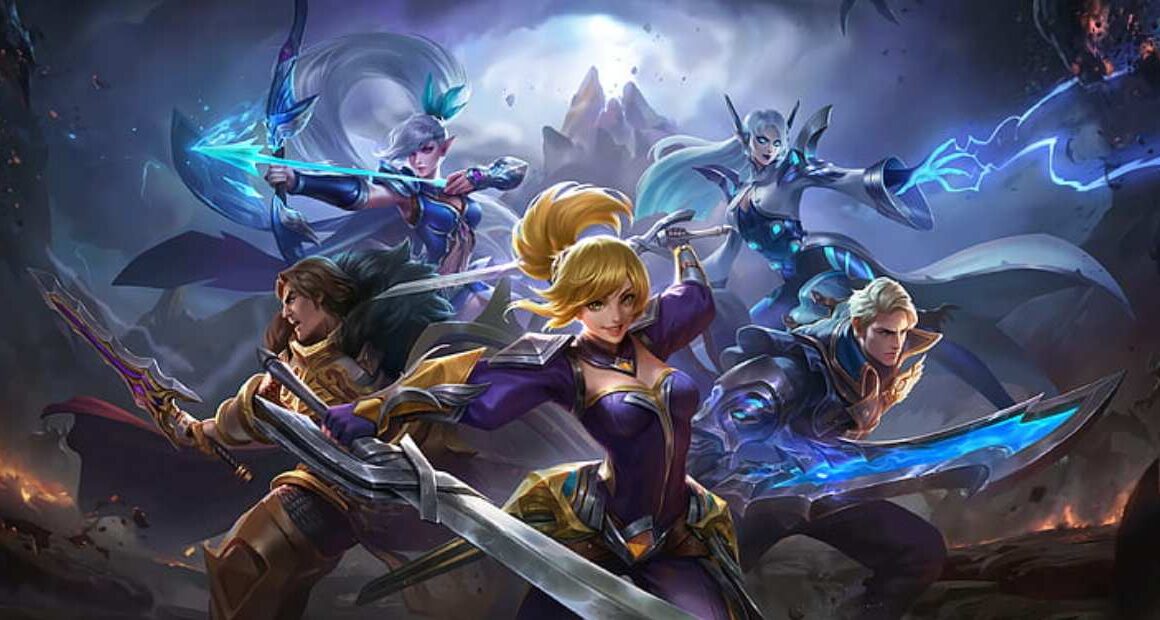
You want fast, intense matches that reward quick thinking and solid teamwork — Mobile Legends delivers that experience with short 10–15 minute games built around clear objectives, diverse heroes, and ranked play that keeps each match meaningful. If you aim to climb the ladder or enjoy bite-sized competitive sessions, Mobile Legends gives you rapid gameplay, frequent hero updates, and a vibrant esports scene that together make it one of the most engaging mobile MOBAs.
This article walks you through how the core mechanics create that quick pace, which hero types shine in high-tempo play, and the team strategies that turn fast fights into consistent wins. Expect practical tips for ranked progression, an overview of the competitive ecosystem, and ways to get more from updates and community events so your matches stay fresh and rewarding.
Understanding Mobile Legends Gameplay
Mobile Legends matches are short, team-focused, and demand fast decision-making. You must manage map control, hero synergies, and timed objectives to win.
Core Game Mechanics
You control one hero through five main lanes and jungle paths on a symmetrical map. Each hero has basic attacks, skills with cooldowns, and an ultimate; mastering skill combos and animation cancels increases your damage output and survivability.
Gold and experience come from last-hitting minions, killing heroes, and securing jungle camps; prioritize last-hits and shared farm when carrying or during lane swaps. Buy items from the shop to amplify your hero’s strengths—physical, magical, defense, or utility—and adjust builds to enemy composition.
Use the minimap every few seconds. Warding (vision) and pinging reveal enemy movement and help you avoid ganks or set ambushes. Rotate to assist allies or contest objectives rather than staying locked in a losing skirmish.
Unique Hero Roles
Heroes fulfill defined roles: Marksman, Mage, Fighter, Assassin, Tank, and Support. Each role has clear responsibilities—Marksmen deal sustained damage from range; Mages burst or zone with spells; Fighters duel and split-push; Assassins kill priority targets quickly. Tanks initiate fights and absorb damage; Supports enable teammates with heals, shields, or crowd control.
Pick heroes to cover gaps in team composition. If your team lacks crowd control, choose a Tank or Support with stuns. If the enemy has fed squishy carries, prioritize Assassins or high-burst Mages. You must also consider scaling: some heroes spike early while others dominate late; coordinate lane assignments and item timelines around those power spikes.
Objective-Based Strategy
Objectives decide matches more than kills. Prioritize turrets, Turtle, and Lord in that order depending on timing and map state. Turrets grant map control and gold; take outer turrets early to open access to jungle and Lord. Turtle gives immediate team gold and experience; contest it if you can win the skirmish. Lord spawns later and pushes a strong siege minion—secure it after winning a team fight or when multiple enemy lanes are down.
Coordinate timing: call for rotations 10–20 seconds before objective spawns to set vision and position. Use split-push to force enemies to respond, then group for Lord or turret trade. Sacrificing a kill to deny objective access can be the correct play; objectives convert temporary hero advantages into lasting map control.
Fast-Paced and Competitive Features
You’ll find features that shorten waiting time, push aggressive tempo, and reward consistent skill growth. The game focuses on quick matchmaking, varied modes that prioritize action, and a ranked system that tracks progress and matchmaking quality.
Quick Matchmaking
Matchmaking pairs you with players fast—typically under a minute for casual modes—by using role preference, MMR, and region to reduce queue time. You can queue solo, with a duo partner, or full team; the system prioritizes role balance to avoid 5-of-one-role lobbies and to keep early-game lane matchups fair.
If latency matters, region selection and server priority minimize ping spikes. The client shows estimated wait time and common role fills before you accept, so you know likely match composition.
Match quality varies by time of day and rank. Peak hours give tighter MMR spreads and more reliable teammates. Off-peak queues may widen rank gaps, so consider duoing to maintain consistent synergy.
Exciting Battle Modes
You can choose from fast 10–20 minute classic 5v5 matches on Land of Dawn, plus limited-time modes like Mayhem for chaotic fights and event maps with altered rules. Each mode adjusts spawn timers, gold gain, or skill cooldowns to change pacing dramatically.
Casual and arcade modes let you practice new heroes or builds without rank pressure. Event modes often add unique objectives—temporary bosses or altered map layouts—that force you to adapt tactics mid-match.
Maps and objectives emphasize tempo: controlling turtle and lord spawns, tower sieges, and lane rotations decide games quickly. Use objective timers and vision to force fights when enemy positioning is weak.
Intense Ranked Climbing
Ranked uses tiered divisions (e.g., Warrior to Mythic) and MMR to determine skill placement and promotion. You rank up through stars, win streaks, and seasonal resets; the system rewards consistent wins and penalizes leaves or AFK behavior with loss-prevention measures disabled.
You can queue solo or with friends, but the matchmaking algorithm adjusts for premade team size to keep matches fair. Climbing requires mastering a small hero pool, optimizing emblem builds, and tracking meta shifts each patch.
Ranked matches heighten stakes: bans, draft picks, and counterpicks matter. Track your win rate by hero and role, review replays for decision errors, and prioritize communication to convert small leads into objective control and rank rewards.
Top Picks: The Most Exciting Mobile Legends Heroes
Fast engage, burst damage, and reliable crowd control drive the most exciting hero choices. You’ll see which heroes sprint games forward, which pairs create instant kill windows, and how to tune builds for your playstyle.
Popular Fast-Paced Heroes
Pick heroes that close gaps or end fights quickly. Sora (fighter/assassin) excels at dive and reset plays with mobility and sustained burst; use her to flank sidelanes and finish low-health targets. Gloo (tank) can initiate and isolate a carry with his sticky crowd control, turning short skirmishes into guaranteed kills. Ixia brings high single-target damage and mobility—catch isolated enemies and escape before reinforcements arrive.
For marksmen, prioritize those with mobility or quick scaling so you can translate early skirmish wins into objectives. Choose heroes whose kit shortens kill windows: dash, blink, stun, or instant burst. That alignment reduces wasted time and makes each fight decisive.
Hero Synergy Combos
Compose teams where initiation pairs with guaranteed follow-up. A common, effective combo: Gloo + Sora — Gloo pins a target, Sora dashes in for swift execution. The tank locks while the diver punishes immobile targets.
Another solid pair: Ixia + a peel support—Ixia isolates and bursts while supports like those with root or silence prevent enemy escape. For objective control, combine area-denial mages with a sustained fighter to force enemies off turrets quickly.
Communicate target priority and flash cooldowns. When you chain CC into burst within 2–3 seconds, you win fights before enemies can respond.
Hero Customization Strategies
Tailor emblems, spells, and item orders to the match tempo. Use Assassin Emblem and Sprint-style spells on mobile burst heroes to maximize roam and pick frequency. For tanks like Gloo, prioritize cooldown reduction and early magic resist when facing mage-heavy teams.
Adjust build paths dynamically: pick early penetration against high-armor foes, or lifesteal when you lack sustain. Swap boots choice based on enemy crowd control: mobility boots against kiting, defensive boots if you’re repeatedly locked down.
Emblem talents matter—choose level-specific talents that boost your role’s core strength (damage for carries, sustain for fighters, cooldowns for mages). Small emblem tweaks often decide close ranked matches.
Effective Team Strategies for Quick Victories
Build a team that balances lane control, objective pressure, and burst potential. Communicate timing for rotations and ultimates to force fast objectives and snowball leads.
Optimal Team Compositions
Pick a clear win condition before the draft: split-push, teamfight wombo, or fast objective rush. For split-push, combine a high-mobility sidelaner (e.g., Lancelot or Ling), a sustained jungler who can 1v1 (e.g., Baxia or Hayabusa), plus a roaming support to secure side turrets. For teamfight comps, include one reliable initiator/tank (e.g., Atlas), one AoE mage or marksman with scaling damage, and one crowd-control support.
Balance items and roles: ensure you have at least one waveclear hero and one hero who builds early penetration or lethality to end fights quickly. Prioritize heroes that can rotate in 10–20 seconds and recover mana quickly. In draft, ban counters to your primary win condition and pick heroes that accelerate turret pressure.
Coordinating Fast-Paced Attacks
Assign explicit timers: call for objective starts at 45–50s after creep waves meet, and coordinate 30–40s recall windows so your team keeps tempo. Use pings and quick chat to signal “go” for a 3v2 skirmish; sync your ultimates so burst chains deny enemy reaction time.
Focus play patterns: secure vision at turtle and mid-brush, then use a two-person dive (tank + assassin) while the rest pressure lane to split enemy focus. When you win a small skirmish, immediately take a turret or Lord—avoid extended farming that lets enemies reset. Rotate in 8–15 second bursts, then disengage to reset cooldowns and maintain relentless pressure.
Esports and Competitive Scene
Mobile Legends features a packed competitive calendar and dominant Indonesian teams that shape the global meta. You’ll find regional leagues, international majors, and high-stakes prize pools that influence pro rosters and patch priorities.
Tournaments and Leagues
You can follow structured leagues like national MPL (Mobile Legends Professional League) seasons that feed into regional playoffs and the annual M4/M5 World Championship. MPL seasons run in splits with regular season matches, playoffs, and relegation, so players and fans track standings, kill/death/assist stats, and patch-driven hero picks weekly.
Major international events use a mix of direct invites and regional qualifiers. Prize pools and viewership spike at world championships; teams prepare multi-week bootcamps focused on drafts, set plays, and counter-picks. Tournament rules enforce standardized patch versions and banlists, which changes which heroes and strategies you’ll see on broadcast.
Professional Teams Performance
Indonesia’s squads—RRQ, EVOS Legends, and Alter Ego—consistently place highly in both MPL and global tournaments, shaping the meta with aggressive draft priorities and jungle-centric play. You can watch their games to study macro rotations, objective control timing, and spell usage under pressure.
Top teams rotate rosters between seasons, bringing in academy talent and role specialists to adapt to patch shifts. Performance metrics to watch include tower gold timing, first-blood rate, and objective conversion; these stats explain why certain lineups outperform in late-game scaling or early skirmish dominance.
Maximizing Your Mobile Legends Experience
Focus on reducing input lag, improving map awareness, and choosing hardware and settings that keep frame rate stable. Small adjustments to controls, network, and visuals deliver the biggest gains in responsiveness and decision-making.
Tips for Accelerating Gameplay
Adjust your control layout so core abilities sit under your thumb; place recall and battle spells on the opposite side to avoid miscasts. Use Quick Chat and map ping conservatively—send concise signals like “mid missing” or “group” to speed team reactions.
Turn off replay and background app notifications before matches to free CPU and network. Enable High Frame Rate and set Graphics Quality to a level your device maintains at 60 FPS; consistent frame timing matters more than ultra settings that stutter.
Use a wired headset or low-latency Bluetooth to cut audio delay and rely on vibration only for critical alerts. Practice last-hitting and animation-cancel routines in custom mode to shave seconds from rotations and improve your tempo during objectives.
Recommended Devices and Settings
Aim for a device with at least a mid-range SoC (e.g., Snapdragon 7-series / MediaTek Dimensity 800/900 or better), 6–8 GB RAM, and UFS storage to reduce load times and texture streaming pauses. More RAM prevents background apps from being killed mid-game.
Set the game to “Balanced” or “High” frame rate mode depending on battery and heat. Limit screen refresh to 90–120 Hz only if the GPU can sustain it; otherwise stick to 60 Hz for stable performance. Disable adaptive brightness and set a fixed performance mode in system settings when available.
For network, prefer 5 GHz Wi‑Fi or a stable 4G/5G connection; enable “Low Ping” or “Network Acceleration” features in-game or via manufacturer tools. If you get frequent packet loss, use a VPN only if it specifically reduces hops to the game server—otherwise it can add latency.
Community Engagement and Updates
You’ll find that player interaction and developer activity shape the game experience day to day. Expect active forums, regular in-game events, and patch cycles that directly affect meta and matchmaking.
Active Player Communities
You can join large, organized communities on platforms like Discord, Reddit, and official in-game clubs where players coordinate ranked climbs and scrims. These communities host daily voice rooms, hero-specific channels, and coaching sessions that help you learn mechanics and role synergies faster.
Tournament organizers and content creators run weekly and monthly events you can enter or watch. Local LANs and regional qualifiers give you chances to compete offline, while in-app club ladders and seasonal leaderboards let you track progress with teammates.
Use community hubs to find reliable teammates, trade tips on builds and itemization, and report recurring bugs. Active moderators and volunteer coaches keep discussions constructive, which shortens learning curves and improves match quality for you.
Latest Game Updates
Developers release patches roughly every two to four weeks, mixing balance changes, hero reworks, and quality-of-life improvements. Patch notes clearly list nerfs and buffs, cooldown adjustments, and bug fixes so you can adapt your hero pool quickly.
Major content drops arrive quarterly and often include new heroes, skins, and limited-time modes tied to international events. These drops usually add mechanics that shift the competitive meta—expect new item interactions or role changes that require updated strategies.
You’ll see targeted seasonal systems too: ranked resets, event passes, and esports-related rewards. Follow official channels and patch note summaries to plan which heroes to practice and when to push for higher ranks.
