

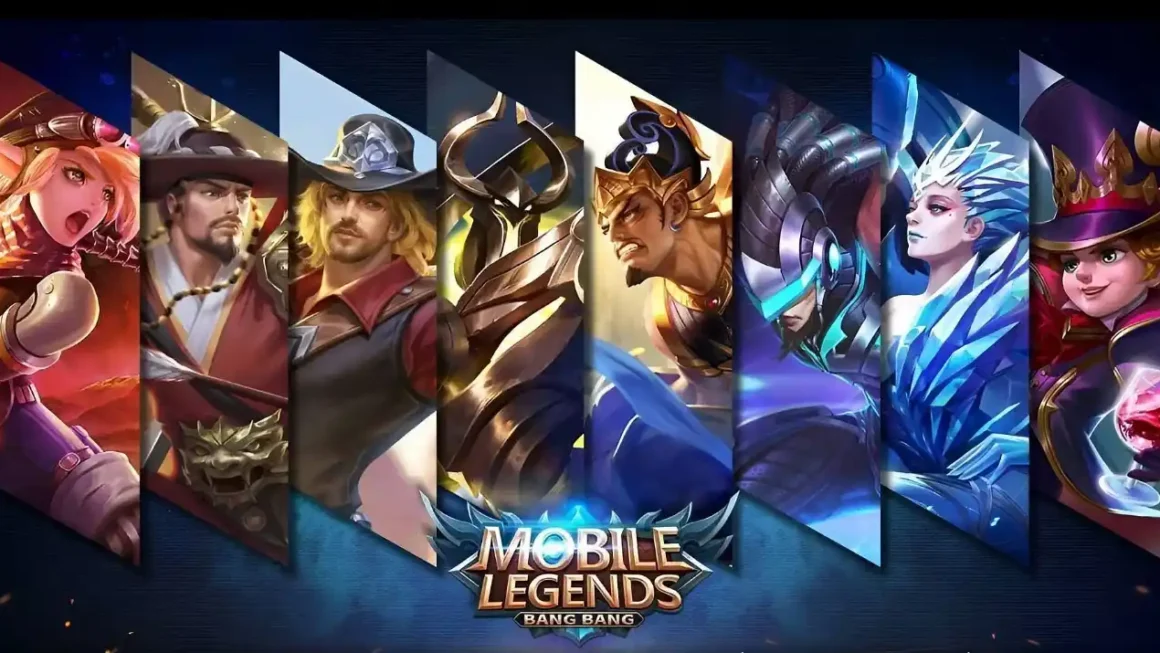
You want a mobile MOBA that stays fresh, competitive, and easy to jump into—Mobile Legends fits that need with accessible controls, fast 5v5 matches, and regular updates that keep gameplay balanced and exciting. If you want a game that’s both casual-friendly and deep enough for ranked climbs and esports, Mobile Legends consistently delivers that mix.
This article breaks down what makes Mobile Legends exciting, the features and modes that keep players coming back, practical tips to improve your matches, and how the community and esports scene sustain its popularity. Expect clear, actionable insights so you can decide whether to push rank, enjoy casual matches, or follow the competitive scene.
What Makes Mobile Legends an Exciting and Top Game
Mobile Legends hooks players with a strong competitive scene, frequent content drops, and multiple game modes that fit short commutes or long play sessions. You’ll find a mix of social play, ranked progression, and regular updates that keep matches varied and skill-focused.
Wide Player Base and Active Community
Millions of monthly active users, especially across Southeast Asia, keep matchmaking fast and competitive at most hours. You won’t wait long for a match, whether you queue solo, duo, or with a full team, and regional leagues like MPL feed professional-level play and viewing events.
Community activity extends beyond matchmaking. You can join guilds, watch live streams, and learn from high-level replays and tutorials. Developers and content creators run events and guides that help new players climb faster and let veterans refine niche hero strategies.
Consistent Updates and Events
The developers release regular balance patches, new heroes, and themed events that rotate every few weeks. You’ll see nerfs and buffs aimed at fairness, seasonal skins tied to events, and limited-time game modes that refresh the meta without breaking ranked integrity.
Events often include login rewards, currency discounts, and event-specific challenges that reward effort, not just spending. This schedule encourages daily engagement and gives you clear short-term goals alongside long-term progression like ranked tiers and hero mastery.
Engaging Gameplay Modes
Classic 5v5 ranked matches remain the core, with clear objectives like turrets, Lord, and base destruction that reward teamwork and map control. Matches average 10–20 minutes, so you can complete meaningful games during breaks or commit to longer sessions for ranked climbs.
You’ll also find Brawl, Draft Pick, and occasional limited modes that emphasize different skills: mechanical duels, strategic drafting, or casual chaos. The hero roster covers distinct roles—marksman, tank, mage, assassin—so you can specialize or flex based on your team’s needs.
Features That Keep Mobile Legends Popular
Mobile Legends combines fast matches, a deep roster, and clear progression systems that make it easy to jump in and stay competitive. You get quick gratification from short games while also finding long-term goals through ranked play and skin/achievement collections.
Hero Variety and Unique Skills
You can choose from over a hundred heroes across roles like marksman, mage, fighter, tank, assassin, and support. Each hero has a distinct kit: most have three active abilities plus a passive or ultimate that changes how you approach fights.
For example, some heroes excel at waveclear and split-pushing, while others offer crowd control or burst combos for single-target kills.
You benefit from regular hero adjustments and new releases that shift the meta. Those balance patches keep previously underused heroes viable and give you reasons to relearn mechanics. Skins often alter animations and sound cues, which can help you recognize opponents faster in-game.
Strategic Team Battles
Team composition matters: a balanced mix of initiation, sustain, damage, and crowd control increases your win probability. You coordinate objectives like Turtle and Lord, timing rotations to secure buffs and towers.
During matches you must manage vision, lane pressure, and power spikes—knowing when to force fights after core items or ultimates are up makes a decisive difference.
You also rely on emblem setups and battle spells to tailor a hero to your team role. Communication and role discipline—who tanks, who peels, who focuses objectives—turn individual skill into coordinated victories.
Competitive Ranking System
The ranked ladder uses tiers (e.g., Warrior, Elite, Master, Mythic) that reflect your MMR and match outcomes. You climb by winning ranked matches and performing consistently; seasonal resets and rewards motivate you to improve every few months.
Ranked matchmaking generally pairs you with similarly skilled players, which means you face progressively tougher strategies as you promote. The system rewards both individual mechanics and game sense, since objectives and teamwork often swing ranked games.
You can also track performance with in-game stats and match history to identify weaknesses. That feedback loop—play, review, adapt—helps you climb and keeps the ranked experience engaging.
Best Mobile Legends Game Modes for Fun and Competition
These modes balance strategic depth and fast-paced action. You’ll find structured, skill-focused play and lighter, chaotic matches that both sharpen mechanics and keep games fresh.
Classic and Ranked Mode
Classic gives you the full 5v5 map with towers, lanes, jungle, and the turtle/lord objectives. Use Classic to practice heroes, combos, and map rotations without risking your ranked tier. Expect longer matches (15–25 minutes) and standard item builds; focus on lane control, objective timing, and team fights.
Ranked uses the same map and rules but adds MMR and tiers. Play here when you want ladder progression and serious matchmaking. Communicate with your team, draft according to meta roles, and prioritize objectives over kills. Promotion and demotion depend on win streaks and seasonal resets, so plan when to queue solo or with a coordinated squad.
Brawl and Arcade Modes
Brawl offers single-lane 5v5 with faster respawns and fewer jungle elements, perfect when you want a decisive 8–12 minute match. You’ll see more constant skirmishes; pick heroes with strong lane presence or sustain. Brawl rewards clear rotations and quick tower dives rather than long-term macro play.
Arcade modes rotate frequently—examples include rapid level-ups, random hero picks, or team deathmatch rules. These modes emphasize entertainment and unconventional strategies. Use them to test niche heroes, learn alternate playstyles, or just enjoy a break from ranked pressure. Check the mode description each time; specific modifiers can change item builds and win conditions.
Tips for Enjoying Mobile Legends to the Fullest
Keep your focus on teamwork, role clarity, and adapting to patch shifts. Prioritize clear communication, practice core mechanics for your main roles, and track patch notes and pro play to stay competitive.
Effective Team Coordination
Use quick, specific pings and short voice calls to coordinate engages and objectives. Mark targets (enemy carry, turtle timer) and call your intentions: “push mid,” “turtle now,” or “back off” so teammates react instead of guessing.
Adopt simple, consistent role responsibilities each match: who peels for the carry, who splits, and who secures vision. Assign one player to monitor timers (turtle, lord, buffs) and announce them loudly at 30–10–5 seconds to prep positioning.
Prioritize objective over kills. Group for turtle/lord when you have level or item advantage. If you win a teamfight, convert it into a tower or neutral objective within 20–40 seconds to maximize momentum.
Use item-sharing knowledge: suggest items in chat (e.g., “Mage: Clock/Glowing Wand”), and remind teammates to adjust boots or defense if enemy composition demands it. Keep comms positive and concise; tilt kills coordination.
Mastering Different Roles
Pick two primary roles to specialize in (e.g., jungler and gold-laner) and learn 3–5 heroes per role to cover meta shifts. Focus on role-specific tasks: jungler camps and ganks, gold-laner farm and split, support vision and peel, tank initiation and crowd control, and mage/marksman damage positioning.
Practice core mechanics: last-hitting for laners, buff/turtle timing for junglers, skill combos for assassins, and proper zoning for mages. Spend short, focused practice sessions on combo execution and item timing rather than random hero hopping.
Adapt builds based on enemy composition. If enemy has high burst, buy defensive items early; if they have sustain, add anti-heal. Learn when to sacrifice farm for map control or save a wipe for late-game scaling.
Staying Updated with Meta Changes
Check patch notes after each update and note changes to hero kits, item stats, and jungle mechanics. Highlight the most relevant changes for your roles: big nerfs/buffs, new core items, or altered experience/gold flow.
Follow a small set of sources: official patch posts, one or two reliable content creators, and a pro match recap. Watch 2–3 pro or high-rank replays weekly to see item builds, rotation timing, and objective play translated into real games.
Adjust your hero pool and builds within a few games of a major patch. Test changes in casual or classic mode before taking them into ranked. Keep a short personal notes list of which heroes gained or lost power this patch for quick reference.
Mobile Legends Community and Esports Scene
The community drives daily matchmaking, fan events, and localized tournaments, while the pro scene delivers seasonal leagues and a global world championship that draws international teams. You’ll find lively regional hubs, active social channels, and a structured pro circuit that feeds into marquee events.
Tournaments and Championships
Mobile Legends runs a tiered competitive system you can follow, from regional MPL (Mobile Legends Professional Leagues) to international majors. MPL franchises in countries like Indonesia, the Philippines, and Malaysia stage seasonal splits that determine qualifiers for larger events.
Major events include the M-series World Championship (M1–M7), which gathers top regional champions; these tournaments rotate hosts and often feature group stages, playoffs, and a best-of series format.
Prize pools and broadcast coverage matter to you as a fan or aspiring pro. Prize money scales with event status, while live streams on YouTube, Facebook, and Twitch provide multilingual commentary. Teams earn spotlights through consistent MPL performance and regional qualifiers, making league standings and playoff brackets essential for tracking contenders.
Content Creators and Influencers
You’ll find creators shaping strategy, entertainment, and community norms across platforms. Prominent streamers and YouTubers produce hero guides, patch analyses, and highlight reels that help you improve and stay current with the meta.
Influencers often partner with teams and brands for sponsored content, in-game events, and charity streams, which amplifies reach and funds grassroots tournaments.
Follow creators for practical benefits: patch breakdowns reveal buff/nerf implications; pro VOD reviews show rotational and objective timing; and short-form clips highlight mechanical plays you can study. Look for creators who publish consistent, evidence-based content and who engage with their community through Q&A, coaching sessions, or viewer scrims.
Why Mobile Legends Remains a Top Choice Among Mobile Gamers
Mobile Legends stays popular because it balances short-match accessibility with deep strategic play and a constantly updated competitive scene. You get quick solo queue matches, team-focused ranked play, and large international tournaments that keep the meta meaningful.
Cross-Device Accessibility
You can play on a wide range of devices, from low-end Android phones with 2 GB RAM to modern flagship iPhones. The game offers adjustable graphics and a “low-spec” mode that reduces effects and resolution to maintain stable frame rates and smaller downloads.
Controls map well to touchscreens and support controllers or emulators if you prefer a physical input. This flexibility lowers the barrier to entry and lets you keep the same account across devices via linked social or vendor accounts.
Match times average 10–14 minutes, so you can fit ranked climbs or casual games into short breaks. Quick matchmaking and relatively small file sizes compared with many AAA titles help you start a game faster and play more often.
Regular Content Enhancements
Developers release new heroes, balance patches, seasonal events, and themed skins on a predictable schedule. You’ll see hero reworks and patch notes every few weeks that shift item builds and role priorities, which keeps high-level play and learning fresh.
In-game events offer timed modes, login rewards, and collaboration skins that provide both free and paid progression paths. Esports tie-ins—major tournaments with regional qualifiers and sizable prize pools—create new narratives and motivate you to follow pro matches and adopt emerging strategies.
Patch transparency and community feedback loops let you track upcoming changes and plan hero practice or purchases with less risk of sudden obsolescence.
