

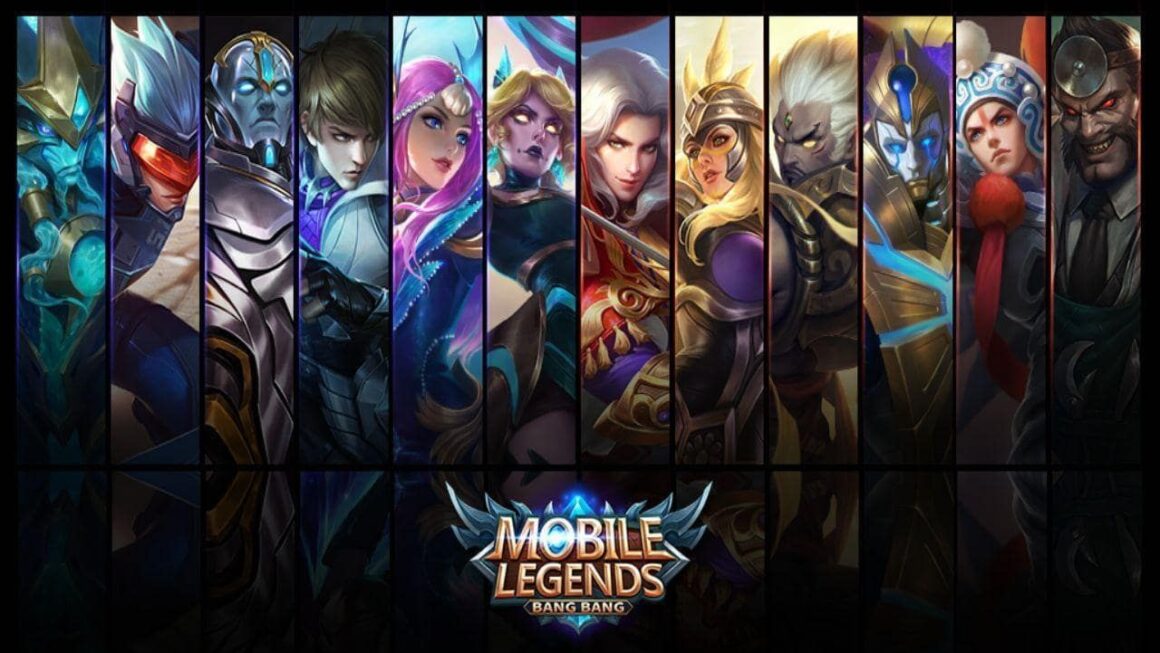
You’ll find why Mobile Legends still ranks among the most exciting mobile MOBAs and which versions or modes you should try this year. If you want fast-paced team fights, regular updates, and modes that fit solo or squad play, Mobile Legends offers the most accessible and competitive experience to jump into right now.
This article breaks down what makes the game fun and strategic, highlights the top Mobile Legends modes and releases to try in 2026, and points out the features and community aspects that help you improve quickly. Expect practical tips for getting started, ways to customize your play, and a clear look at the competitive scene so you can pick the best path for your skill and goals.
What Makes Mobile Legends an Exciting Game
Mobile Legends hooks you with fast matches, varied hero roles, and meaningful team decisions that change every game. Expect short, high-stakes rounds where quick reflexes, item choices, and coordinated plays decide the outcome.
Engaging Gameplay Mechanics
You play 5v5 matches that usually last about 10–15 minutes, so each decision matters from the first minute. The map has three lanes, jungle camps, turrets, and a respawning Lord objective; controlling these elements yields direct strategic advantages.
Abilities have short cooldowns and clear power spikes, which rewards timing and skill combos rather than long grind sessions. You also pick emblems and battle spells before the match, letting you adapt builds to enemy lineups.
The pacing balances micro-skill (last-hitting, skill shots) with macro choices (rotations, objective timing). That balance keeps matches tense and satisfying without requiring long sessions.
Vast Hero Selection
You can choose from over a hundred heroes spanning roles like Marksman, Assassin, Tank, Fighter, Mage, and Support. Each hero has distinct kits: some rely on burst combos, others on sustained damage or crowd control, so you can find a playstyle that fits your strengths.
Frequent hero releases and occasional reworks keep the roster fresh and invite experimentation. Skins and visual changes provide cosmetic variety without altering core balance.
Build diversity matters: item choices, emblem perks, and situational talent tweaks let you tailor one hero to counter specific opponents or to fill gaps in your team composition.
Strategic Teamplay Elements
You win by coordinating with teammates to secure objectives rather than by lone carrying every match. Vision control, timely ganks, and synchronized ultimate combos create high-impact moments that swing games.
Role synergy matters: a Tank initiating at the right time, a Support setting up crowd control, and a Marksman following through on damage exemplify successful coordination. Voice or quick-chat pings accelerate decision-making during the short match window.
Ranked play and draft mode emphasize composition planning and counter-picking, so reading enemy drafts and adjusting lanes or build paths becomes a core part of higher-level play.
Top Mobile Legends Games to Try This Year
Expect focused picks that highlight current competitive modes, seasonal events, and the latest hero additions that change team dynamics and meta.
Must-Try Modes and Updates
You should prioritize Ranked Classic and Mythic push modes if you aim to climb ladder quickly; these modes still offer the highest impact on your rank and matchmaking. Seasonal Ranked resets and double-EP weekends often coincide with balance patches, so watch patch notes the week before each season to adjust hero pools.
Seasonal Limited Modes—like Brawl Variants, Slash/Robo Royale, and Draft Pick specials—give you concentrated XP and themed rewards. Participate in timed events and login campaigns to claim skin shards and battle points without grinding. Tournament-style modes (Clash/Esports qualifiers) rotate regionally; keep an eye on the event calendar to join when prize pools or qualification spots appear. Finally, practice in the Training Ground for new mechanics introduced by updates, especially when mobility or cooldowns are reworked.
Newly Released Heroes
When a new hero launches, you should test them in Classic and Custom first to learn their skill sequence and power spikes. New heroes typically arrive with unique mechanics—shielding, summon minions, or dual-resource systems—so focus on their primary combos and burst windows during your first 10–15 matches.
Check patch notes for their suggested item builds and recommended emblem sets; these are often updated within the first two balance patches. Watch pro or high-rank replays to see optimal positioning and team-synergy plays. If the hero fills a contested role (jungle/roam/mid), adapt your drafts to secure or counter them early in pick/ban.
Best Features of Mobile Legends
Mobile Legends delivers striking visuals, deep customization, and intuitive controls that directly enhance your match performance and enjoyment. Expect crisp animations, a wide range of skins and accessories, and control schemes tuned for quick decision-making.
Stunning Graphics and Animations
You’ll notice high-resolution textures on heroes and maps that keep visual clarity even in hectic team fights. Animations for skill casts, ultimate effects, and crowd-control feedback are sharply timed, so visual cues match in-game mechanics and help you react faster.
Map design balances aesthetic polish with practical readability. Lane brushes, turret models, and objective markers use distinct colors and contrast to avoid confusion during split-second plays. Frame-rate optimization and scalable graphics settings let you prioritize smoothness on mid-range devices without losing essential visual information.
Particle effects and hero model updates emphasize impact without cluttering the screen. When you watch replays or highlights, the combination of cinematic camera moments and consistent animation quality makes it easier to study plays and refine your mechanics.
Customizable Skins and Accessories
Skins change more than looks; many come with unique animation sets, sound cues, and visual upgrades for basic attacks and skills. You can use skins to track enemy cooldowns visually—distinct skill colors or particle patterns help you identify which hero ability just fired.
The in-game shop categorizes cosmetics clearly: seasonal skins, hero bundles, and limited-time items. You can preview animations and voice lines before purchase, so you know exactly how a skin alters presentation. Some skins include themed accessories like special recall effects and avatar frames that make your profile stand out in lobby and match screens.
Battle pass and event systems often grant exclusive cosmetic tiers. You can earn or buy these through clear progression tracks, allowing targeted investment if you prefer specific heroes or visual styles.
User-Friendly Controls
Mobile Legends offers multiple control layouts—joystick-only, skill-lock assist, and a customizable HUD—so you can pick what fits your hand size and playstyle. You can resize and reposition buttons, then save presets to switch quickly between roles like mage and marksman.
Ability targeting modes include tap-to-cast, aim-drag, and skill-shot assist, reducing miscasts during fast rotations. Communication tools like quick pings, preset messages, and a minimap tap-to-respond feature streamline coordination, which is crucial for ranked matches.
Input latency options and network indicators let you adjust settings when you detect lag. Combined with tutorials and in-game practice modes, these control features shorten your learning curve and help you maintain precise execution under pressure.
Competitive Scene and Tournaments
Mobile Legends maintains a structured pro ecosystem with regional leagues feeding international events, and a ranking framework that connects casual play to pro qualification. You’ll encounter local MPLs, international championships, and a ladder system that affects matchmaking, rewards, and pro scouting.
eSports Events
Mobile Legends hosts multiple tiers of official and third-party tournaments. The MPL (Mobile Legends: Professional League) runs regionally—MPL Indonesia, MPL PH, MPL MY/SG—and serves as the primary path to larger events. Winners and top finishers from regional MPLs often qualify for the Mobile Legends World Championship (M-series), which features franchised and invited teams from all major regions.
You’ll also see seasonal cups, regional invitationals (e.g., ESL Snapdragon or similar third-party events), and national qualifiers. Prize pools vary: MPL seasons offer substantial salaries and spot prizes, while Worlds events provide the largest purses and global exposure. Organizers stream matches on YouTube and local platforms, with official broadcast talent, stats overlays, and VODs for review.
Key practical points:
- Watch MPL seasons to follow rising talent and meta shifts.
- Use official streams and VODs to study pro drafts and itemization.
- Track regional standings for qualification updates and roster changes.
Ranking Systems
Mobile Legends uses a tiered ranked ladder in normal matchmaking and a separate point-based system for competitive qualification. Your rank (Mythic, Legend, Epic, etc.) reflects solo/duo performance and determines matchmaking pools and seasonal rewards. Higher ranks unlock visibility to scouts and contender tournaments.
For pro pathways, teams accumulate points via sanctioned events, league placements, and qualifiers. Franchised leagues use fixed slots and performance metrics, while open circuits rely on point accrual and playoffs. Matchmaking rating (MMR) adjusts behind the scenes to balance matches; you won’t always see raw MMR but will feel its effect through opponent skill.
Practical tips:
- Focus on consistent win-rate to climb; streaks impact MMR faster than single wins.
- Participate in ranked seasons and official qualifiers to gain exposure.
- Review in-game stat pages and official leaderboards to track progress and eligibility.
Tips for Getting Started in Mobile Legends
Learn core mechanics, role responsibilities, and a few easy-to-play heroes to start winning more matches quickly. Focus on map awareness, gold/exp management, and practising one main hero until you can play it in most matchups.
Basic Strategies for Beginners
Prioritize last-hitting minions to secure gold and experience; fall behind early and you lose item and level advantages. Rotate to help teammates when you see enemies missing or when an objective like Turtle or a turret is contestable.
Watch the minimap every 5–10 seconds. Ping missing enemies, track enemy positions, and avoid solo overextensions without vision or backup. Communicate simple plans: push, defend, or gank.
Buy the correct starting items for your role—boots and sustain for marksmen, tank items for tanks, mana or magic items for mages. Build according to the enemy composition rather than a rigid item path.
Practice wave control: freeze to deny farm, push to rotate, and crash waves into turrets before rotating. Learn basic combos for your chosen hero and rehearse using skills in the right order under pressure.
Recommended Heroes for New Players
Start with durable, forgiving heroes that teach fundamentals. Good choices: Tigreal (tank), Layla (marksman), Aurora (mage), and Balmond (fighter). These heroes have clear roles and simpler mechanics.
Tigreal helps you learn positioning and crowd control timing. Layla teaches basic kiting and last-hitting due to long-range attacks. Aurora lets you practice skill timing and zoning with large area spells. Balmond explains sustain, trading, and when to commit to fights.
Limit yourself to one main and one secondary hero for the first 50 matches. Focus on mastering build choices, basic combos, and situational play (when to back, when to contest objectives). Review replays of losses to spot recurring mistakes and adjust.
In-Game Community and Social Features
You’ll find built-in systems that support real-time coordination, long-term group play, and social progression. These tools help you form reliable teams, track member activity, and maintain communication across casual matches and competitive play.
Team Communication Tools
Mobile Legends provides multiple channels for quick, match-focused communication. Use voice chat for live calls with teammates during ranked or classic matches; latency is generally low on local servers, so voice works well for shot-calling and timing ultimates. If you prefer text, the quick chat wheel offers preset phrases for lane calls, enemy positions, and objective timers, which reduces typing time and keeps focus on gameplay.
Ping system options include enemy missing, attack, defend, and retreat pings, each with a distinct icon and sound. Customize ping volume and enable teammate ping cooldown indicators to avoid spam. For planning before matches, the in-lobby chat and friend-to-friend messages let you discuss drafts, hero roles, and item builds. You can also form pre-made squads (up to five) that keep party voice channels active across consecutive games.
Guilds and Alliances
Guilds act as your persistent social hub for rewards, practice, and coordinated events. Joining a guild unlocks daily guild quests, shared resource contributions, and guild shop discounts that help you progress faster without relying solely on top-ups. Active guilds organize scrims, coaching sessions, and internal tournaments; check guild activity logs and member ranks to pick one that fits your commitment level.
Alliances and cross-guild events expand competition beyond a single guild. Participate in alliance wars and seasonal guild leagues to earn exclusive skins, badges, and collective experience points. Guild management tools let leaders set recruitment requirements, schedule events, and assign roles (e.g., officer, strategist) so your group runs smoothly. Use the guild chat and announcement board to coordinate practice times and post replay links for review.
Customizing Your Gaming Experience
Tweak controls, graphics, and HUD placement to match your playstyle and device. Prioritize input responsiveness and stable frame rates to improve aim, rotation, and decision-making in matches.
Settings and Personalization
Adjust the control layout so primary skills sit under your strongest thumb. Use the in-game custom layout to move skill buttons, recall, and item shortcuts within comfortable reach.
Set sensitivity values for camera and skill aim: lower values for stable micro-aim, higher for quick turns. Test changes in Custom mode for 5–10 quick skirmishes before committing.
Optimize graphics by balancing frame rate and visual detail. Choose 60 FPS if your device and internet support it; drop to 30 FPS and lower effects if you see frame drops.
Enable network indicators and set the ping display to stay visible. Turn off unnecessary notifications and animated emotes to reduce visual clutter during teamfights.
Use preset builds and lock preferred emblem and battle spell combos. Save multiple control profiles (assault, jungle, support) so you can switch between roles without manual reconfiguration.
Device Compatibility Considerations
Check CPU, GPU, and RAM against Mobile Legends’ recommended specs. Devices with mid-range SoCs and at least 4 GB RAM handle 30–60 FPS with medium settings. Older phones need low graphics and disabled background apps to prevent stutter.
Monitor temperature and battery when playing long sessions. If your device throttles, reduce resolution and frame rate, and enable any built-in game mode that limits background activity and stabilizes performance. Use a cooling pad or play in short bursts if temperatures rise quickly.
Test network type: Wi‑Fi with <50 ms ping is ideal; switch to 5 GHz band if 2.4 GHz is congested. On mobile data, prefer LTE/5G with stable signal bars and enable data saver features only if they don’t interfere with packet transmission.
Why Mobile Legends Stands Out in 2026
You’ll find Mobile Legends still leading mobile MOBA conversations because it balances accessibility with competitive depth. New heroes and meta shifts in 2026 give you fresh strategic choices without steep learning walls.
The game’s presence on major stages—like the 2026 Asian Games as a medalled event and a confirmed title at the 2026 Esports World Cup—shows its sustained competitive legitimacy. Those events mean developers and teams keep pushing balance, coaching, and spectator features you benefit from.
Expect continued technical and quality-of-life improvements that make matches smoother and matchmaking fairer. Map tweaks and UI refinements in recent updates streamline decision-making and reduce friction during intense plays.
You’ll also notice a robust esports ecosystem supporting pro and grassroots scenes. High viewership numbers and frequent international tournaments create clear pathways if you aim to follow or join competitive play.
Key reasons at a glance:
- Competitive recognition: Included in continental and global events.
- Active development: Regular hero updates, balance changes, and QoL patches.
- Spectator-friendly: Improved broadcasting and viewer engagement features.
- Accessible yet deep: Easy to pick up, with meaningful high-level skill expression.
If you want a mobile MOBA that stays current while offering clear progression routes, Mobile Legends remains a strong choice in 2026.
