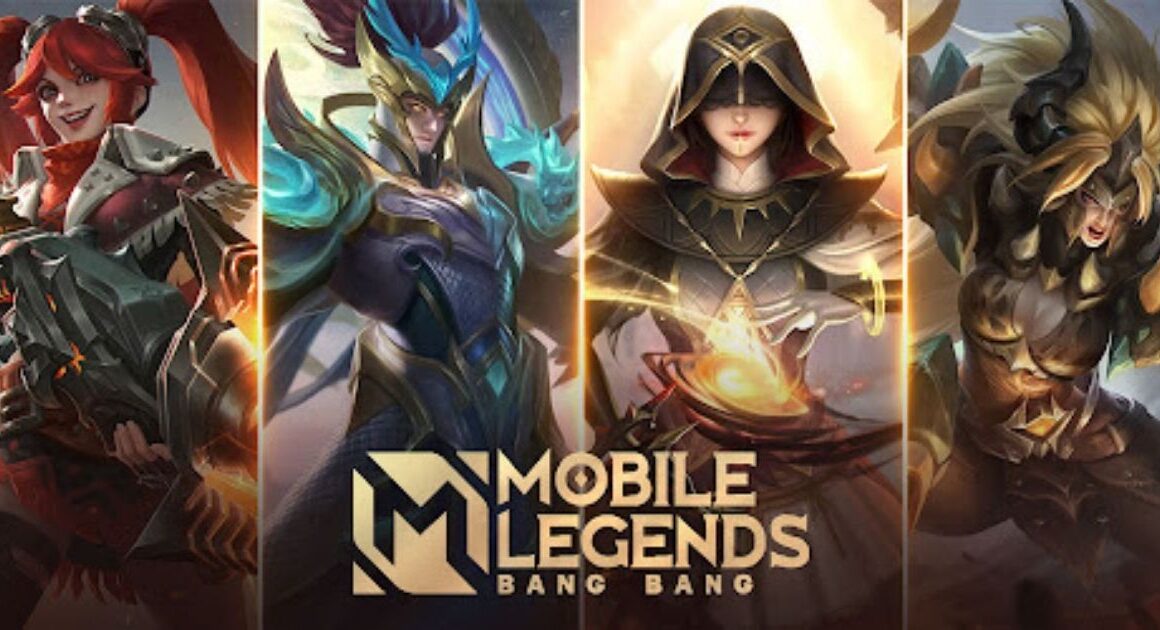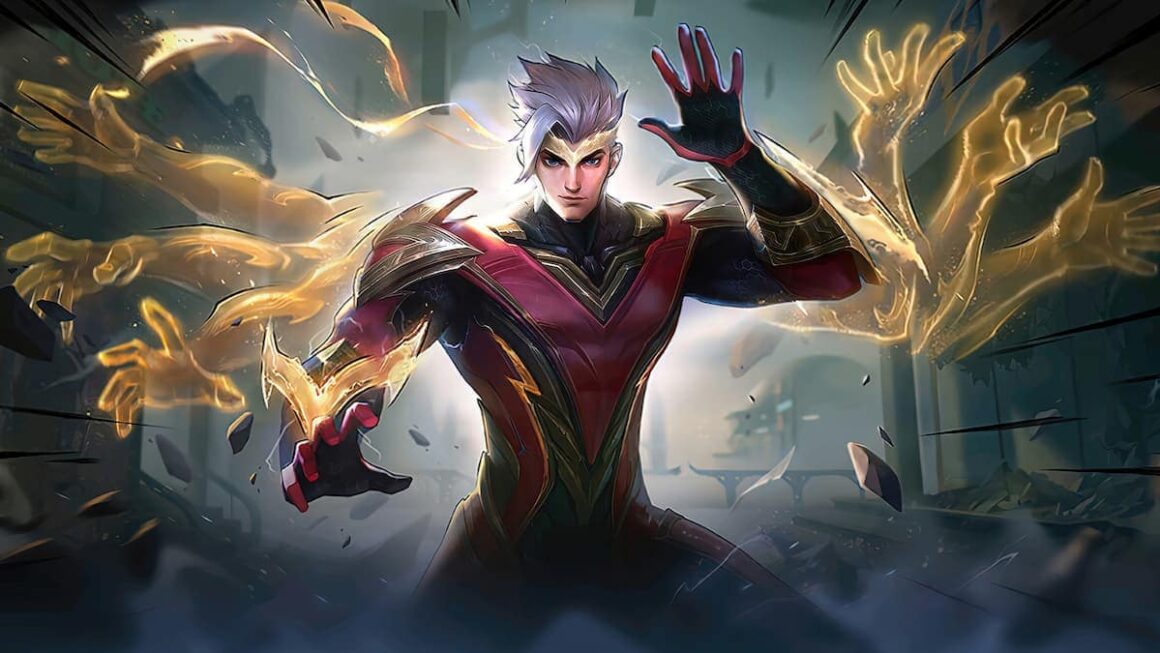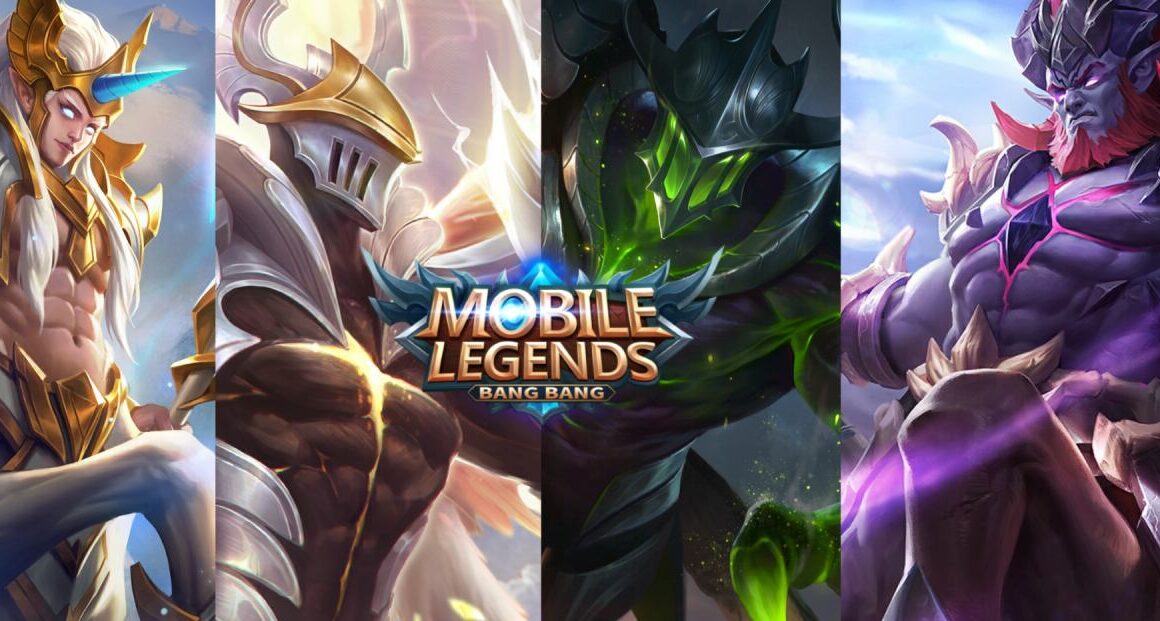

You want fast, thrilling 5v5 action with heroes that look and feel distinct—and Mobile Legends delivers that with smooth controls, standout hero designs, and flashy skill effects that make every match feel cinematic. If you care about eye-catching graphics and satisfying visual effects alongside competitive gameplay, Mobile Legends ranks among the best mobile MOBAs to try.
This post breaks down how the game balances visual polish with clear gameplay—covering graphics, animations, top heroes, and practical tips to boost your experience—so you can pick the features that matter most to your playstyle. Expect concise guides on what makes certain heroes pop visually, which effects help you read fights faster, and simple tweaks to get the best performance on your device.
Overview of Game Mobile Legends
You will find fast 5v5 matches, defined hero roles, and clear map objectives that shape every round. Matches emphasize teamwork, timed item progression, and map control through towers and jungle resources.
Basic Gameplay Mechanics
You control a single hero from a top-down perspective with virtual joystick movement and skill buttons. Each hero has three active skills plus a passive; skills level up using gold earned from minion kills, jungle monsters, and enemy takedowns.
You buy items from the in-match shop to increase attack, defense, cooldown reduction, or utility. Items unlock as you gather gold, so your purchase timing directly affects power spikes and combat outcomes.
Lane management and wave control matter: stay with minion waves to gain gold and experience, rotate when objectives spawn, and ping to coordinate with teammates. The game also uses an experience-sharing radius—being near allies in fights boosts level progression.
Game Modes Available
Classic (Ranked/Normal) 5v5 is the staple mode where standard matchmaking and rank progression occur. You play on the three-lane map (top, mid, bottom) with a jungle in between; ranked matches affect your seasonal rank tier.
Brawl and Quick Match provide faster, less-strategic 5v5 skirmishes on condensed maps for casual play. You can also find limited-time events and themed modes that change rules—such as all-random hero selections or boosted gold rates—to vary gameplay pace.
Solo vs. AI and custom matches let you practice heroes, test builds, or host private games with friends. Tournament and esports modes appear during official competitions, offering spectator features and stricter lobby controls for organized play.
Core Objectives
Primary objective: destroy the enemy base (Nexus) located behind their final towers. To reach it, you must push lanes by killing minions, taking towers, and winning team fights that open pathways.
Secondary objectives include killing the Lord (or equivalent boss) and neutral jungle buffs that grant team-wide bonuses. Controlling these objectives accelerates lane pushes and creates pressure that forces enemy responses.
Tower defense and map vision matter; losing outer towers grants enemy deeper map access and reduces safe farming space. You win by systematically converting kills, objectives, and map control into a successful final push that breaks the base.
Impressive Graphics in Mobile Legends
You will notice a clear visual identity, detailed heroes, and maps that support strategic play. Each element—art direction, character modeling, and environment design—aims to balance aesthetics with performance on mobile devices.
Art Style and Visual Themes
Mobile Legends uses a stylized, vibrant art style that keeps visuals readable during fast matches. Colors are saturated to help you distinguish teams: warm palettes often mark allied areas while cooler tones mark enemies or neutral zones.
Icons, skill effects, and UI elements use high-contrast outlines so you can spot abilities and cooldowns quickly in chaotic fights.
The game mixes fantasy and sci‑fi motifs across seasonal skins and themed events. You’ll find consistent visual language across heroes and maps, which reduces confusion and supports quick decision-making.
Developers prioritize clean silhouettes and exaggerated animations to make hit recognition and skill telegraphs obvious, even on smaller screens.
Hero Character Design
Hero models balance detail with optimization to maintain steady frame rates on mid-range phones. Your favorite heroes feature distinct silhouettes, unique weapon shapes, and signature particle effects that communicate kit function at a glance.
Costumes and skins add layers—texture resolution increases and new VFX appear on high-tier skins—so your chosen hero can look dramatically different without altering gameplay clarity.
Animations emphasize readable combat cues: cast winds, charge-up glows, and recovery stances show you and opponents when abilities activate. Sound design pairs with visuals to reinforce timing, so you can react based on combined sensory signals.
When you customize skins, note that some visual changes can improve target visibility or make certain effects subtler to suit competitive play.
Map and Environment Details
Maps focus on tactical clarity: lane geometry, jungle paths, and objective locations use distinct visual markers to prevent misplays. You’ll see clear ground textures for brush, river, and turret zones, which helps with movement prediction and positioning.
Environmental effects—like dynamic lighting during events or seasonal overlays—add immersion without compromising the map’s readability.
Interactive elements such as bushes and terrain elevations maintain consistent visual rules across maps so you can predict sightlines and ambush points. Neutral objectives (turtle, lord) have unique models and animation loops that draw attention during mid- and late-game, helping you prioritize fights.
Optimization ensures these details scale down on lower settings while retaining critical contrast and effect timing for fair competitive play.
Exciting Effects and Animations
You will notice distinct, readable visual cues that communicate power, range, and timing. Sharp particle effects, clear color coding, and synchronized audio help you react faster and make better decisions in fights.
Skill and Ability Effects
Skill animations prioritize clarity and telegraphing. Each hero uses unique particle shapes and colors so you can identify long-range skillshots, area-of-effect zones, and instant bursts at a glance. For example, a cone-shaped frost effect signals a slowing zone, while bright, fast-moving streaks mark single-target dashes.
Damage numbers, hit sparks, and staggered camera shakes emphasize impact without obscuring your view. Cooldown and cast indicators integrate with the animation: glowing rims or shrinking icons show when a skill is available again. These visual timers let you plan combos and bait counters more effectively.
You should also expect layered effects: a primary animation (projectile or sweep), secondary micro-particles (embers, sparks), and final reveal flashes (criticals or ultimates). That layering keeps plays readable while still feeling satisfying.
Special Visual Effects During Matches
Map-wide effects and environmental shaders improve situational awareness. Day/night cycles, fog-of-war transitions, and terrain-specific lighting alter visibility so you can anticipate ganks or ambushes. Objective spawns like Turtle or Lord come with bold, persistent glow rings and countdown beams to draw immediate attention.
Ultra Graphic or High Frame Rate modes enhance these effects by increasing particle fidelity and smoothing motion. In lower settings, the engine simplifies particles into clearer silhouettes to avoid clutter and keep performance stable on mid-range devices. You can toggle shadows and HD mode to balance aesthetics and FPS.
Animations also signal state changes: buffs get distinct auras, debuffs show draining overlays, and zone controls display persistent floor textures. Those persistent visuals help you hold or contest objectives without guessing.
Sound Effects and Audio Feedback
Sound ties animations to actionable feedback. Each skill includes a unique audio cue for cast, travel, and impact phases so you can react if you lose visual contact. Low-frequency rumbles emphasize ultimate abilities, while high-pitched ticks indicate fast or ticking effects like bleed or poison.
Spatial audio and volume layering let you localize threats. Footstep clarity, ability pings, and recall chimes help you track enemy movement and team status without constantly scanning the minimap. Match audio also uses priority mixing: critical cues (stuns, silences, executes) punch through ambient noise so you never miss a game-changing moment.
You can adjust master, effects, and voice volumes separately to highlight the cues you rely on most. That customization keeps audio informative rather than overwhelming.
Best and Most Popular Heroes
You’ll find a mix of reliable classics, recently added fighters, and meaningful ways to personalize heroes. Pick heroes that match your playstyle, practice core combos, and use skins or emblems to fine-tune strengths.
Fan-Favorite Heroes
These heroes remain popular because they provide clear roles and consistent impact in ranked play. Marksmen like Granger and Claude offer high single-target DPS and strong late-game scaling, making them safe choices if you focus on farming and positioning.
Assassins such as Lancelot and Hayabusa reward mechanical skill with quick burst combos and map pressure; you should practice their dash/escape timing to avoid overcommitting.
Tanks and supports like Tigreal and Diggie control teamfights through stuns, crowd control, and peel. If you play front line, prioritize item builds that grant durability and utility (e.g., Cursed Helmet, Radiant Armor).
Pick a hero you can play consistently and learn one or two backup picks for matchups where your main is banned.
Newly Released Heroes
New heroes often introduce fresh mechanics and shift local metas; you should test them in casual matches first. Recently released heroes combine hybrid kits—example: a fighter-mage with a charge mechanic and a short-duration invulnerability skill—demanding both timing and item adaptation.
Developers tune new heroes across patches, so monitor patch notes and win-rate data before committing them to ranked. Use the training mode to master their core rotation and cooldown windows.
New releases often have unique animations and effects that change how fights look and feel; that can affect targeting and awareness in hectic teamfights. Adjust your playstyle based on early-game power spikes versus late-game scaling.
Hero Customization Options
You can customize heroes through emblems, battle spells, and skins—each choice changes performance or feel. Emblems add stat bonuses and unique talents (e.g., Physical Emblem for attack speed and lifesteal, Mage Emblem for cooldown reduction); pick emblem talents that amplify your hero’s primary strength.
Battle spells like Flicker, Retribution, or Execute provide tactical versatility; choose Flicker for mobility, Retribution for jungling, and Execute for securing kills. Skins mainly alter visual effects and sometimes voice lines, helping you track animations or simply enjoy clearer ability telegraphs.
Adjust builds per match: start items for sustain, mid-game items for power spikes, and situational items (e.g., Immortality, Brute Force) to counter specific enemies.
Why Mobile Legends Is Fun and Engaging
You get short matches, intense decision-making, and constant incentives to improve skills and teamwork. The game rewards map awareness, hero mastery, and quick coordination.
Dynamic Team Battles
You play 5v5 matches where each role—tank, fighter, assassin, marksman, mage, or support—has clear responsibilities. Team fights hinge on timing and positioning; a single well-timed crowd control or ultimate can flip an objective like Turtle or Lord.
Choose heroes with complementary kits to secure early kills or control late-game team fights. You’ll find depth in item builds and battle spells that adapt to enemy compositions, so every match feels tactically different.
Communication matters: pings, quick chat, and short voice calls change outcomes more than raw mechanical skill. That makes ranked play rewarding because coordinated teams climb faster and feel more competent.
Active Community and Esports Scene
You’ll join a large regional player base, especially in Southeast Asia, where local tournaments and community events run year-round. That active scene creates social incentives—friends, guilds, and local LAN cafés—that keep players returning.
Esports leagues and frequent pro events provide clear goals if you want to follow or emulate top players. Watching pro drafts and strategies helps you learn hero matchups, roaming patterns, and objective prioritization.
Community-created content—guides, hero tutorials, and highlight clips—gives practical tips you can apply immediately. You can use that material to refine play, find new builds, or discover high-impact heroes for your rank.
Frequent Content Updates
You receive regular balance patches that tweak hero stats, itemization, and map changes to keep meta shifts active. Developers add new heroes, skins, and limited events every few months, so gameplay variety refreshes often.
Seasonal events and battle passes provide clear short-term goals: earn skins, hero fragments, and exclusive cosmetics through daily tasks and ranked milestones. This steady stream of content maintains motivation and gives you reasons to try different heroes and roles.
Patch notes and developer posts explain major changes, which helps you adapt strategies quickly rather than guessing why a hero suddenly performs differently.
Tips for Enhancing Your Gameplay Experience
Adjust a few precise settings, prioritize frame stability, and balance visual detail with responsiveness to get smooth, immersive matches. Focus on display, sound cues, and connection quality to elevate your decision-making and reaction time.
Graphic Settings Optimization
Customize resolution and frame rate first: set resolution to your screen’s native value and lock frame rate to 60 FPS if your device supports it. Lower resolution only if you need higher FPS; otherwise keep it sharp for clearer enemy outlines.
Use texture and effects settings selectively. Reduce shadow and particle quality to cut CPU/GPU load while keeping character and map textures at medium or high for visual clarity. Turn off motion blur and excessive bloom to improve target visibility.
Enable frame stabilization or performance mode when available. Close background apps and enable battery/thermal management to avoid throttling. Keep your game updated; some patches improve rendering efficiency.
Maximizing Visual and Audio Effects
Configure HUD and skill effect opacity so spell animations don’t obscure targets. Increase enemy highlight or outline settings to spot foes through jungle foliage or during teamfights.
Use high-contrast color mode if available to distinguish allies, enemies, and objectives faster. Adjust minimap visibility and size so you can read it without moving your eyes off the fight.
Balance audio mix: raise in-game sound effects and voice prompts, and lower ambient music. Prioritize footsteps, recall sounds, and ultimate cues to detect ganks and timers. Use a quality headset for directional audio and clearer communication.
Improving In-Game Performance
Stabilize your network: prefer a 5 GHz Wi‑Fi or wired hotspot and limit other devices using bandwidth. Turn on any in-game network optimization or low-latency mode to reduce packet loss and jitter.
Optimize controls: use a responsive touchscreen layout or a mapped controller with shorter skill-cooldown buttons. Practice flicker, dash, and skill-aim combos in training mode to reduce execution time.
Monitor temperature and battery. Play with screen brightness moderated and enable power-saver only if it doesn’t throttle performance too much. If lag persists, switch to lower graphic presets and restart the game to clear memory.
Conclusion
You can enjoy Mobile Legends that balances competitive gameplay with attractive graphics and polished effects. The game scales visuals to your device, so good performance often depends on matching settings to your hardware.
Adjust graphic options like High Frame Rate, shadows, and texture quality to reach smoother FPS without sacrificing too much visual fidelity. Use game boosters or performance modes on mid-range phones to keep gameplay stable during intense moments.
Prioritize network and control settings as much as visuals; low latency and responsive controls directly affect your play. Regularly update the game and your device drivers to access graphical improvements and optimizations.
If you want the best visual experience, pair higher graphic settings with a device capable of sustained performance. For competitive play, favor stability and frame rate over maximum detail to maintain consistent responsiveness.
Keep experimenting with presets and custom settings until you find the sweet spot between eye-catching effects and reliable performance. Your preferences and device will determine the most satisfying setup.